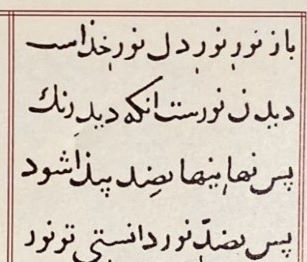
God created God’s own being

Weekly on Mondays from 28th March, 2022
19:00 – 20:00 AEST

A series of online sessions exploring creativity and meaning through Poetry, Writing, Images & Song.

Course Description

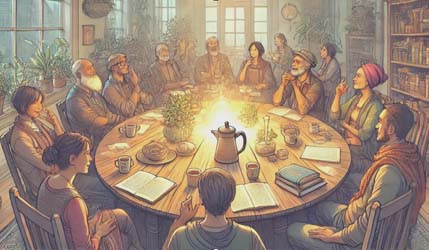
An opportunity to share creativity and joy among friends and present your work, either in aspiring or tentative forms of writing, song, poetry and painting.

Share work in progress with others and explore the ways in which true creativity never leaves its centre, yet expresses itself uniquely in diverse ways and through each and every one of us…knowing the Unity of Being never leaves the essential purity of its source.

Booking

Cost: FREE via Zoom

Contact: markvtemple@gmail.com
Jonah and the whale

Beyond Religion?

Saturday March 11, 2017

A seminar exploring the relevance of the story of Jonah to the contemporary world, facilitated by David Hornsby at the October Gallery, London.

Love Divine: a conversation between Rumi and St. John of the Cross

Meditation and poetry workshops 

Fortnightly from 18th January – 29th March
Saturdays: 10:00am – 11:30pm (GMT)
or
Fortnightly from 25th January – 5th April
Saturdays: 10am – 11:30am (Pacific Time), 12:00pm-13:30 (Central Time), and 5:00pm-6:30pm (UK time).


Meditation workshops following a format of reading some lines of poetry with contemplative meditation and shared reflections. There are a few places left.

Yurt retreat

Woodland Yurt Retreat

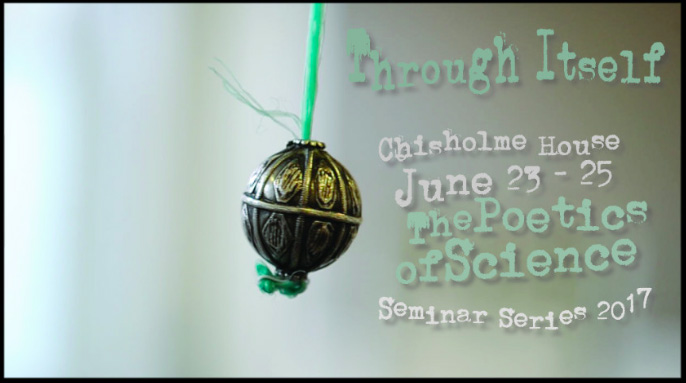
August 26 – September 2, 2017
Chisholme Institute, Scottish Borders, UK

Discover what is essential – free from phones, internet and electricity – living in yurts on the edge of woodland and cooking over campfires in the company of fellow students and facilitators.

Ibn ‘Arabi Study Retreat: The Ground of Beneficence

August 26 – September 2, 2017
Chisholme Institute, Scottish Borders, UK

Meaning and relevance in the ‘Twenty-Nine Pages’ and the chapter on Loqman from the ‘Fusus al Hikam’

The Meaning of Beshara

Saturday, 10th September 2022
14:00–17:00 BST
The October Gallery, London UK

An afternoon exploring the meaning and principles of Beshara as indicated in the recently published Letters of Bulent Rauf.

Beshara Trust London Seminars

October 14 & November 11, 2017
The October Gallery, London, UK

Two study afternoons looking at the writings of Ibn ‘Arabi and other related authors.

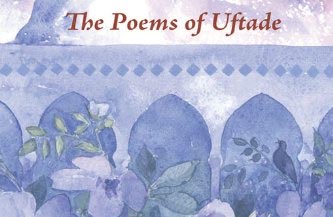
Poems of Ueftade

Üftade: The Nightingale in the Garden of Love

Weekly from 19th March 2022
Saturdays
18:00–19:00 CDT
Sundays 09:00–10:00 AEST

A reading group for online study of the spiritual poems of Üftade, one of the greatest Ottoman Sufi masters, in English translation from The Nightingale in the Garden of Love.

The Alchemy of Human Happiness: Study Group

January 25th, 2020 (2–5pm)
The October Gallery, London UK

The first of a series of study groups on a new translation of a seminal work of Muhyiddin Ibn ‘Arabi.

The Joy of Embodiment

18th April, 2021
15:00 – 16:30 BST

An online seminar with Andreas Weber

Matter. Is it not just “stuff”? Or can it be said to be experiencing as well in some way? In our embodied existences we are at the same time matter (our physical body) and we have an experiencing standpoint. We hence can say something about the joys (and sorrows) of being matter. I will try to sketch a picture of perception not as representation of things, but as co-creation in a “poetic space”.

Registration via Eventbrite

The Ways of the Heart III: The Compassionate Heart

​5th September – 14th November 2023
Tuesdays, 20:00 – 21:30 GMT

An online Beshara course exploring a spiritual life in the contemporary world.

The Twenty-Nine Pages

Weekly on Sundays
11th September – 27th November 2022
19:00–20:30 BST/GMT

A 12-week online course by the Beshara Trust studying The Twenty-Nine Pages, which serves as an excellent introduction to Ibn ‘Arabi’s metaphysics of Unity.

Kernel of the Kernel

Mondays from 7th September 2020 (19:00 – 20:00 BST)
& Wednesdays from 9th September 2020 (20:00 – 21:00 BST)

One session per week (6-7 week period)

Online study of the Kernel of the Kernel, a selection of key passages from Muhyiddin Ibn ‘Arabi’s Futūḥāt al-Makkiyyah.